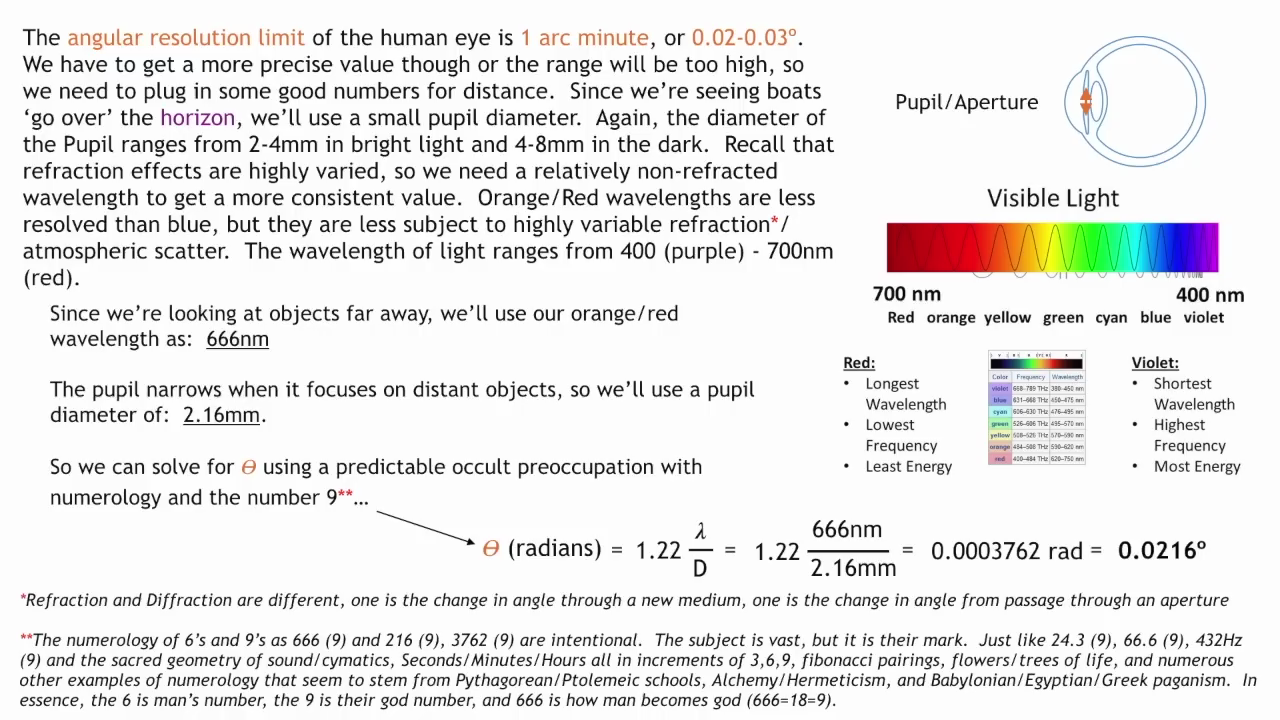
Does angular resolution affect how much of something we see immediately above the horizon? Does angular resolution cause bottom-up obstruction?
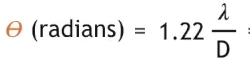
Flat earthers reference the Rayleigh Criterion, some even going as far as putting the formula in their presentations.
The Rayleigh Criterion quantifies the relationship between the aperture size of an optical device and the wavelength of light. This gives a specific angular size beyond with details are blurred or unresolvable. It does not mean that things are not seen, it means the details are not clear.
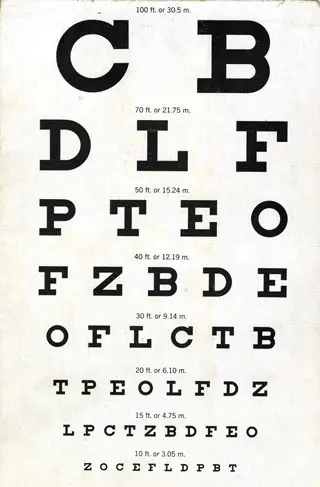
Consider the Snellen chart that eye doctors use. If you cannot read the letters on the bottom line you are still able to see there is something there. The bottom of the chart doesn’t disappear and cause the top of the chart to shift lower.
Despite the fact that angular resolution has no capability to make something disappear flat earthers persist in claiming that angular resolution causes things to disappear. Even more curious, angular resolution near the surface of the water, for example, must cause the top of a tall building to shift downward. No reason is provided for this.
These claims are easy to test. Simply take photos of objects that are partially obscured by the horizon with different aperture sizes and see if the quantity of the obstruction changes.
Below are two photos of the same building cropped in to three buildings. The original photos are at the bottom of the page with the EXIF information attached. One photo is takes with a P1000 at full zoom with an aperture diameter of 67.4mm giving an angular resolution of 0.00057° at 550nm. The other is an iPhone 13 Pro Max telephoto lens with a 3.36mm aperture diameter, angular resolution 0.01144°. The aperture of the P1000 is 20 times larger than the iPhone yet the EXACT same amount of the building is obstructed.
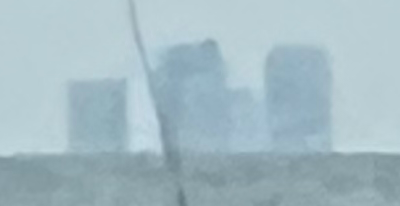
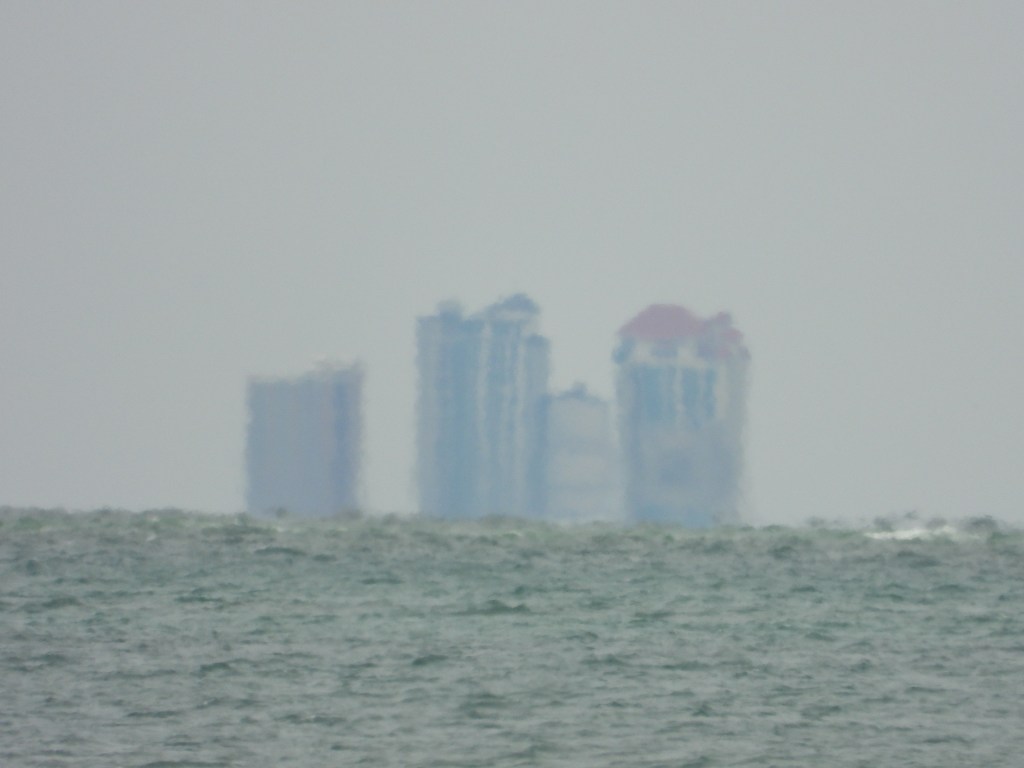
This conclusively falsifies the hypothesis that Rayleigh Criterion or angular resolution causes obstruction. The iPhone and P1000 are also are drastically different zoom levels, falsifying the hypothesis that zoom has any effect in obstruction either.
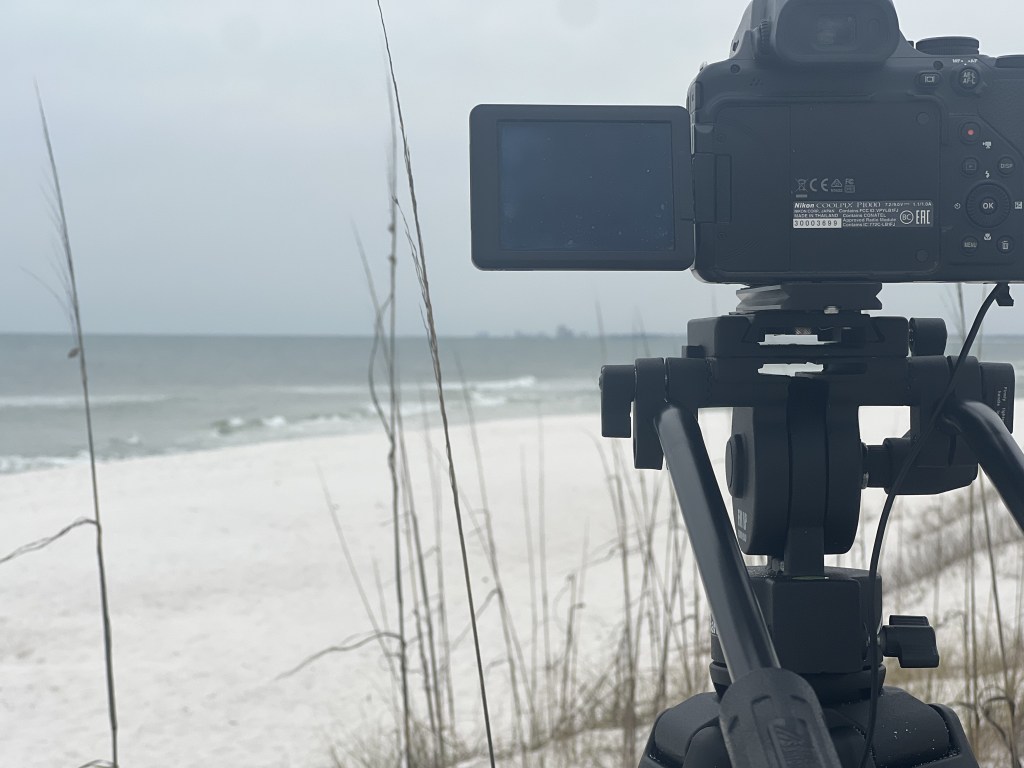
Aperture analysis and source photos
- P1000
- focal length: 3000mm
- f-number: 8
- crop factor: 5.56
- actual focal length = effective focal length / crop factor
- 3000 / 5.56 = 539.6 mm actual focal length
- aperture diameter = actual focal length / f-number
- 539.6 / 8 = 67.4 mm aperture diameter
- Angular resolution using 550nm wavelength: 0.00057°
- iPhone 13 Pro Max
- Used the telephoto lens, it has a fixed aperture and zoom, all adjustments in the phone are software, using the base facts about the camera
- focal length: 77mm
- f-number: 2.8
- crop factor: 8.18
- actual focal length = effective focal length / crop factor
- 77 / 8.18 = 9.41 mm actual focal length
- aperture diameter = actual focal length / f-number
- 9.41 / 2.8 = 3.36 mm aperture diameter
- Angular resolution using 550nm wavelength: 0.01144°
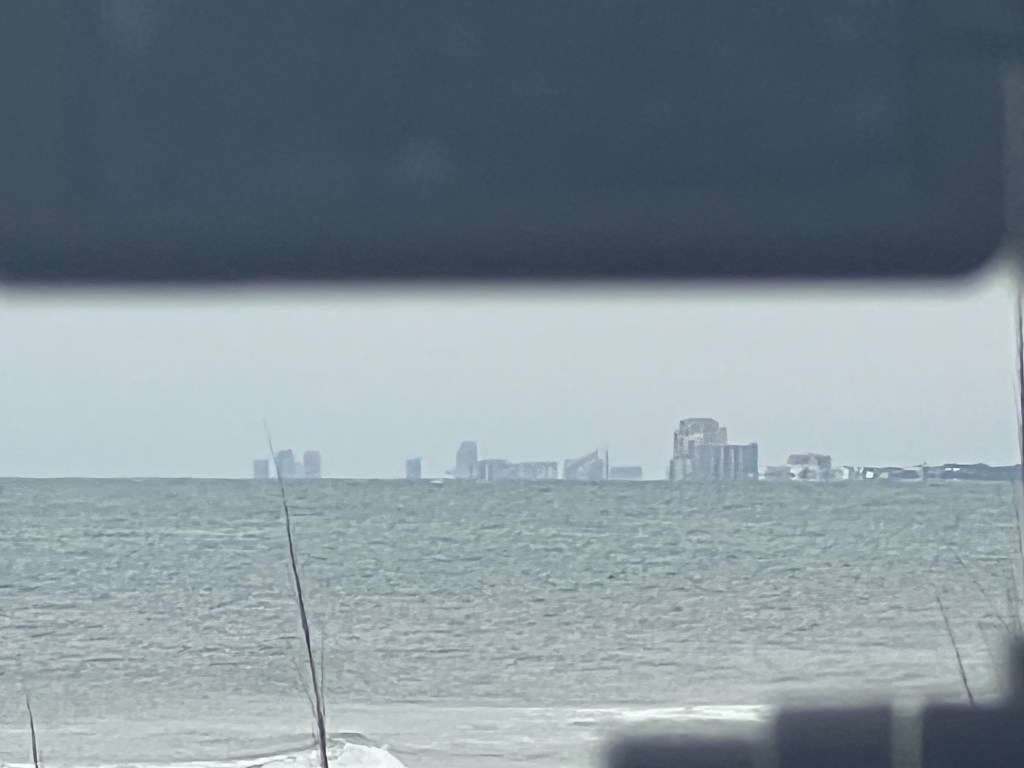
iPhone 13 Pro Max photo. The P1000 flip out screen is visible on the top of the frame, the bottom of the frame shows the tripod. The EXIF information is unmodified including the GPS location.

P1000 photo full optical zoom, no digital zoom. The EXIF information is unmodified.
Other photos for context.
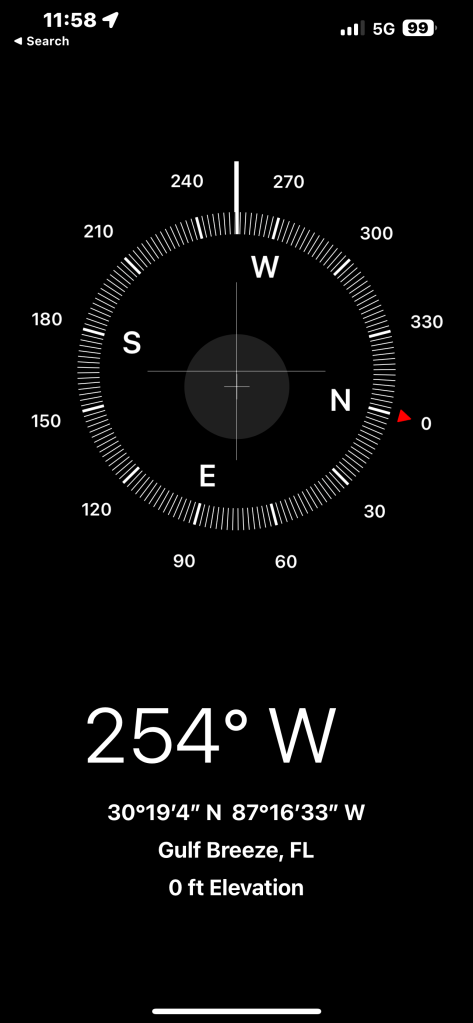
The middle building is Phoenix West 2 Vacation Rental Condominiums, renamed to The Oasis 21.2 miles away. It is 32 stories tall.
The right building is Phoenix West Vacation Rental Condominiums.
Analysis on the middle building
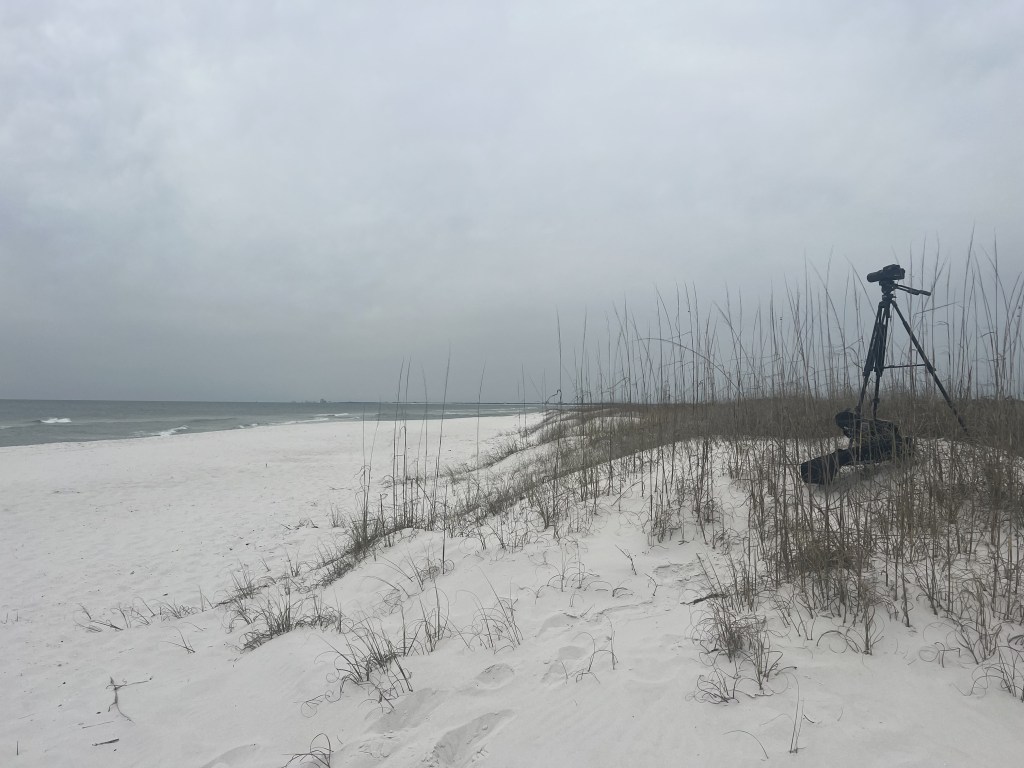
The tripod is sitting on top of a mound well away from the water. The camera is at least 15 feet above the water. The bottom building is at least 20 feet above the water. There is a pavilion around the bottom of the building with palm trees and several buildings near. Some of the buildings are 4-5 stories tall.
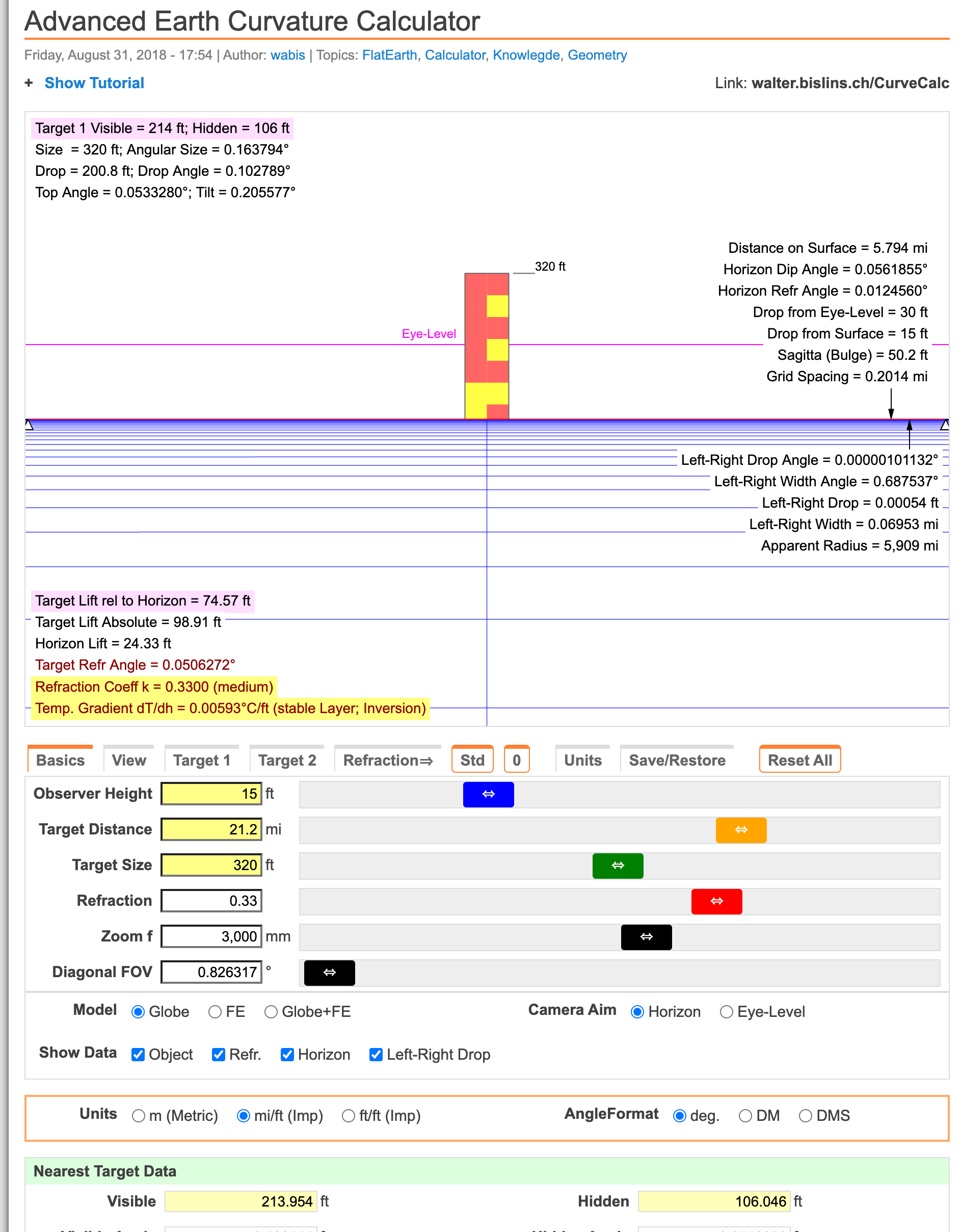
Over water at low elevation a reasonable minimum Coefficient of Refraction is k=+0.33, potentially up to k=+0.50, see my page on refraction for empirical measurements explaining this.
Using Walter Bislin’s Advanced Curve Calculator, the globe prediction is about 106 feet.
The structure to the right of the main building is more than 100 feet tall and is partially visible in the photos.

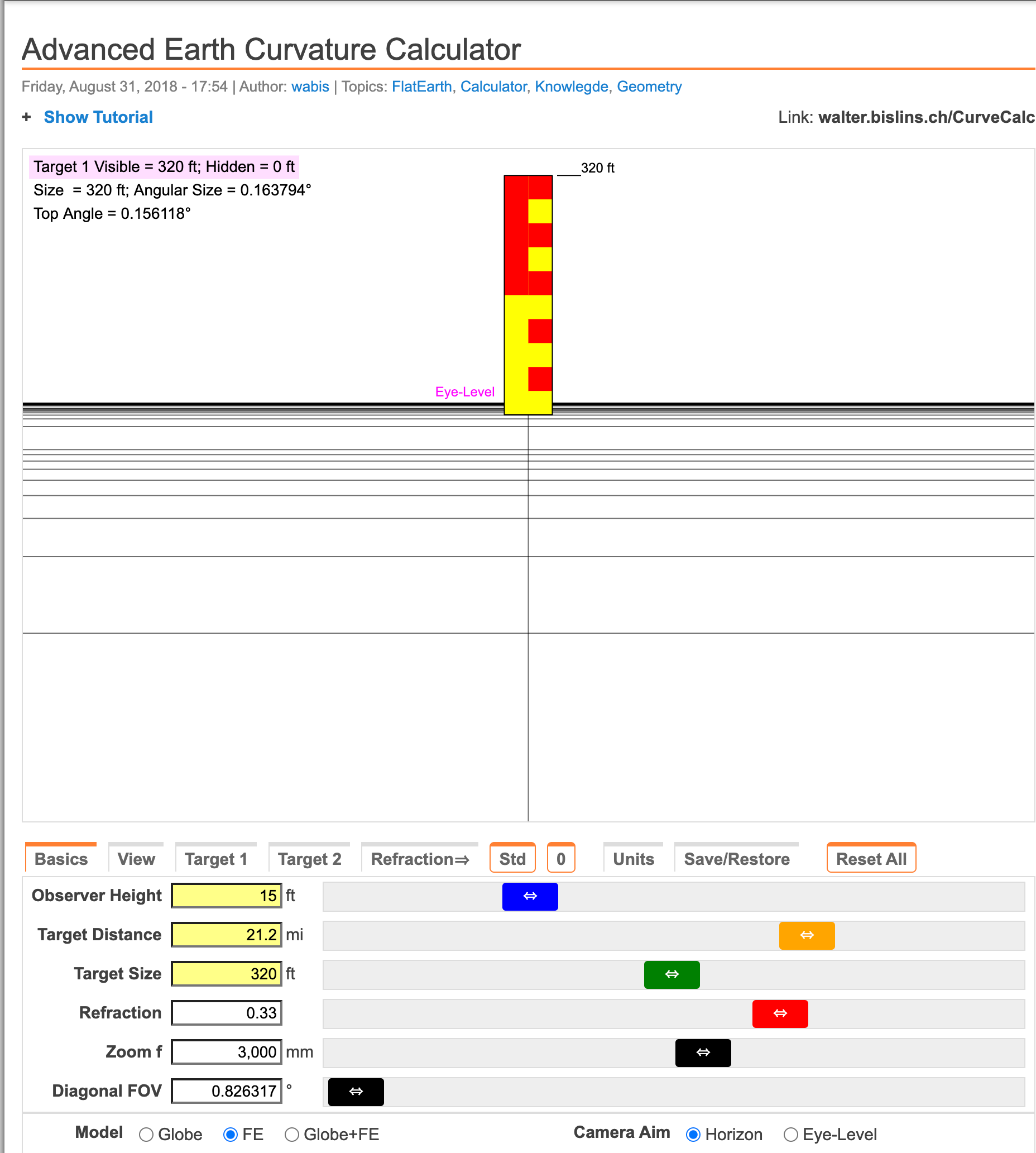
The flat earth prediction is that none is hidden. There are often word salad explanations for why there is something blocking the bottom, but none based on physics and never with a method to predict the amount hidden and test the claim.
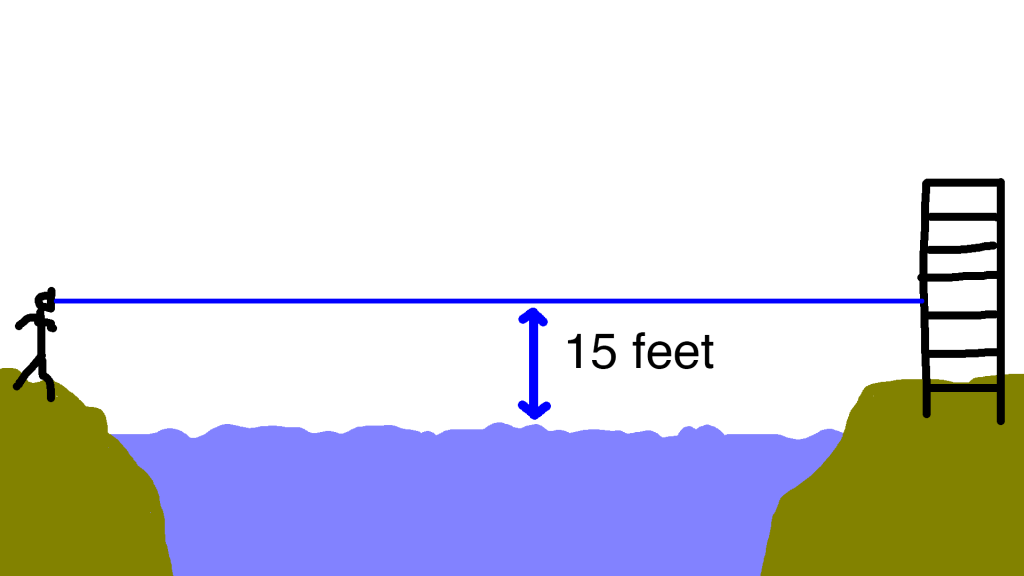
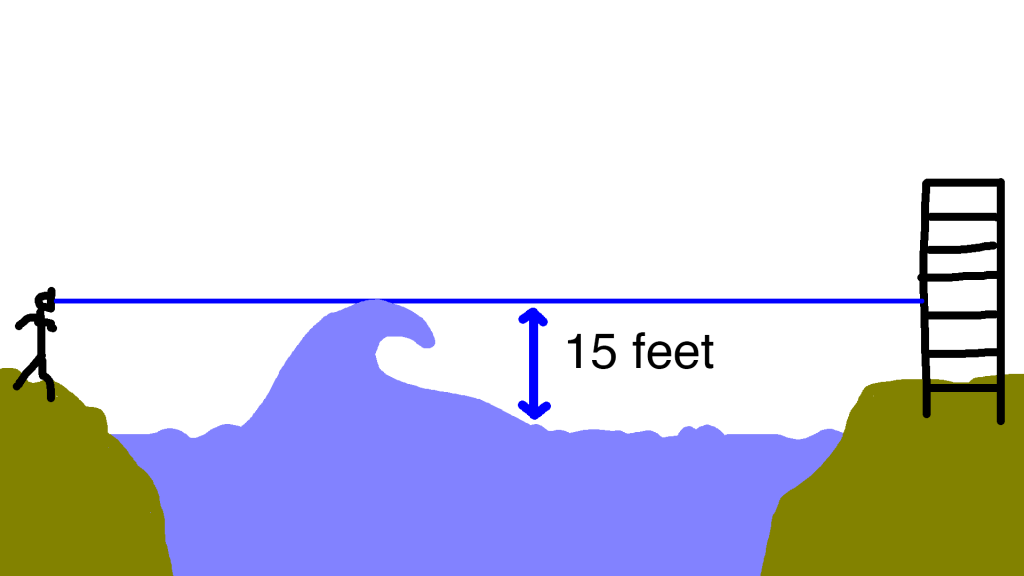
Sometimes claims of waves are offered. This is easy to test. For a 15 foot tall observer, a wave that is less that 15 feet high will be below the observer’s line of view. A wave that is exactly 15 feet high, on flat earth, can block only the bottom 15 feet of the distant object.
In this case, the bottom 15 feet of the distant object is limited to the beach. The foundation of the building is at least 20 feet higher than the water. Yet the neighboring buildings are not seen. Nor the trees. Nor the 15 miles of ocean surface between the peak of the visible waves at around 5 miles and the distant shore.
Could there be waves higher than 15 feet? Waves that high would be incredible. No. Waves that high are not happening at Pensacola Beach or it would be the surfing capitol of the world.
 MCToon