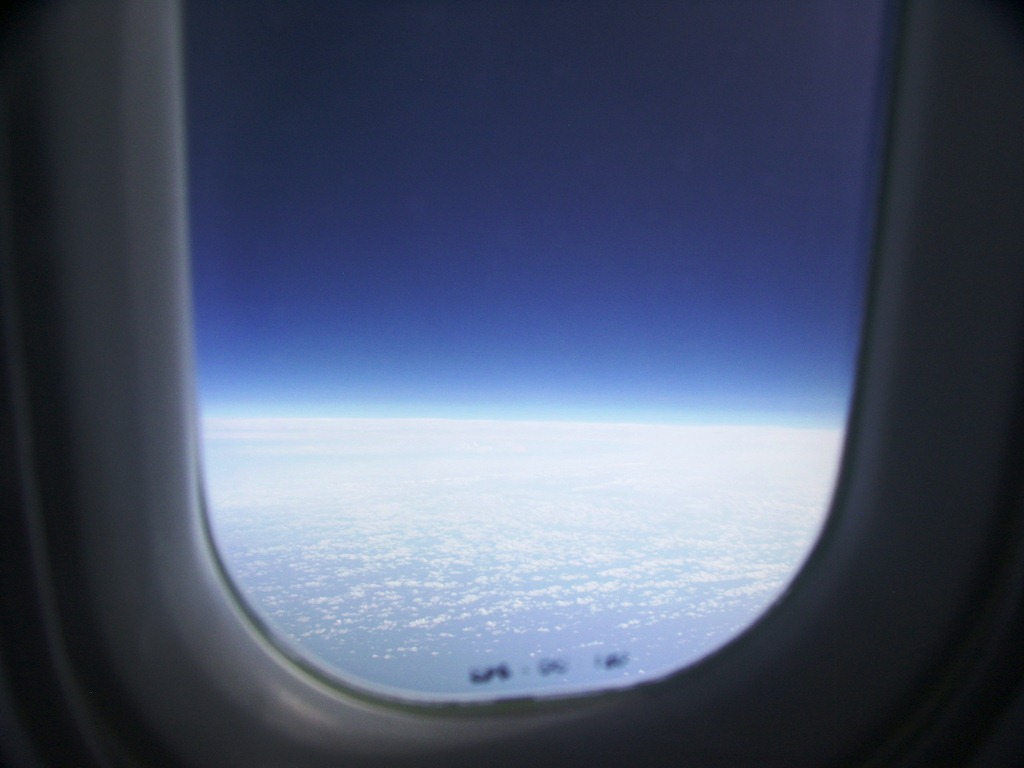
To get a photo of the curve of the horizon it helps if you are at a good altitude. From the cockpit, you can see the curve better than in a passenger seat since you have a wider field of view. Also, the windshield is required not to add distortion.
Wolfie6020 Took this video from the cockpit of the plane he was flying at 46,000 feet.
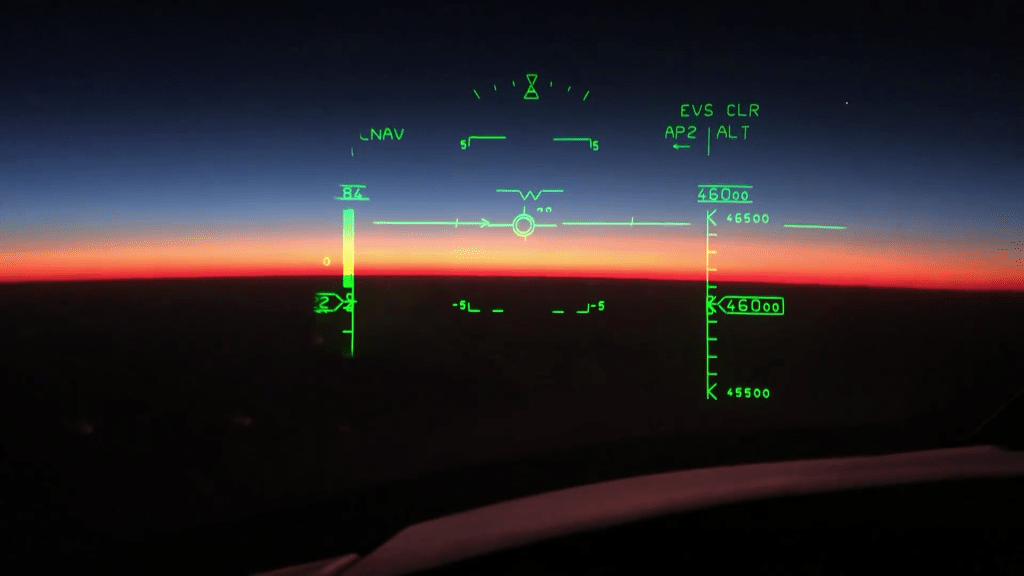
The curve is the same above center of frame:
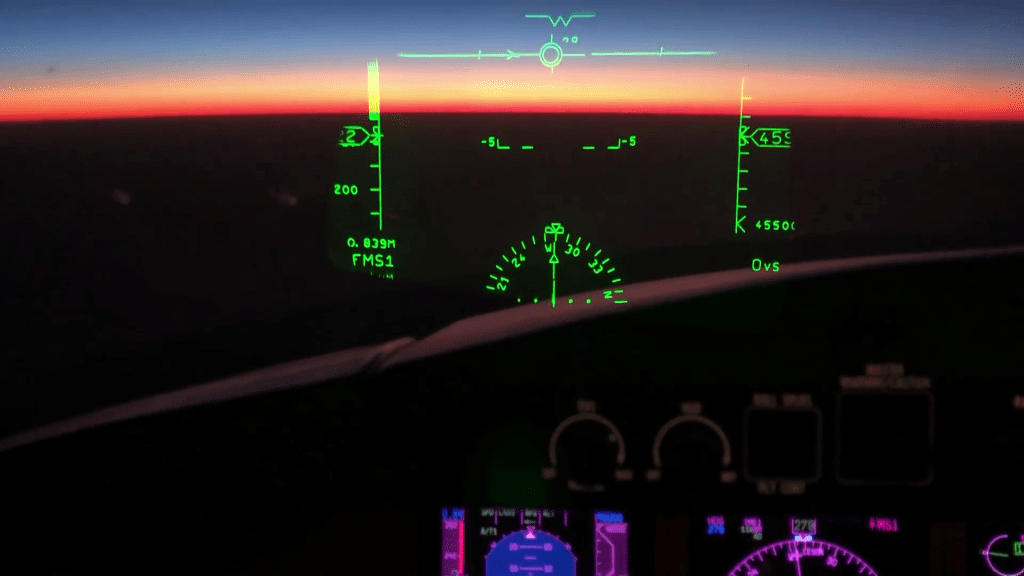
The curve is the same below the center of frame:
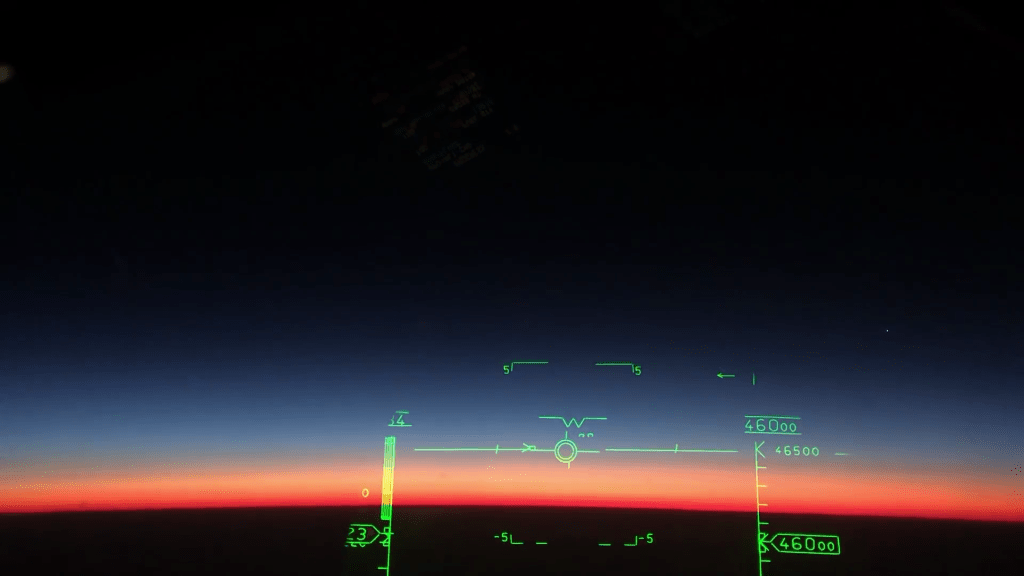
Walter Bislin has used the globe to predict the amount of visible curve in the photo. Here is his analysis: http://walter.bislins.ch/bloge/index.asp?page=Curved+Horizon+from+46%2C000+ft+through+a+HUD%2C+CurvApp+overlay
For those that claim that the airplane window creates a curve, here is a video through the same cockpit testing this claim: https://youtu.be/8DKeJnZpL6Y
And another: https://youtu.be/i4T9YsSwYcc
For those that claim the camera lens is creating the effect, here is a test using the same phone and lens: https://www.youtube.com/watch?v=d8vb1VbAQFA
Another photo of the horizon from pilot and photographer Santiago Borja Photography in the cockpit of a plane:
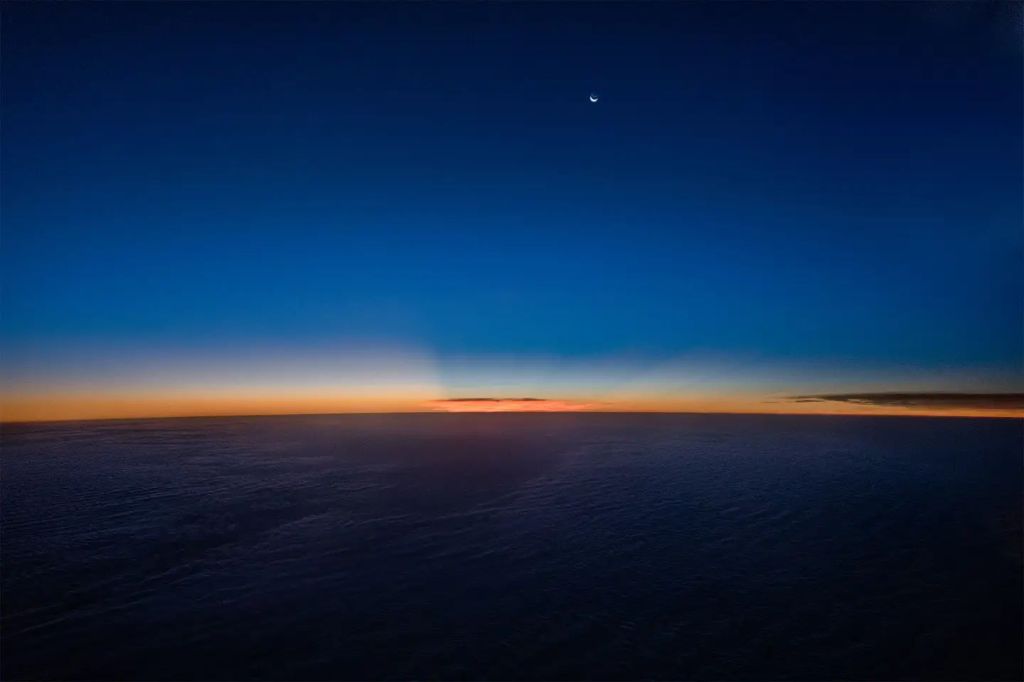
Here is one of several photos from the cockpit of an airplane. The zip file contains the original photos as they were taken on the iPhone. This includes the EXIF information with the GPS enabled to get the lat/long/elevation.
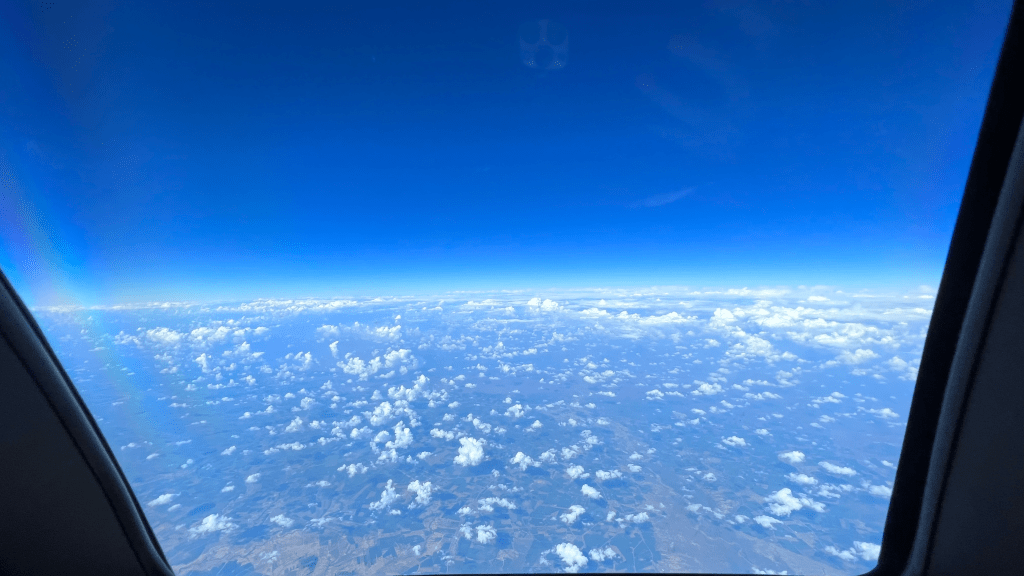
This photo was taken by Captain Albert Stevens on November 11, 1935 and published in National Geographic in May, 1936. See this page for all the details on the photograph: First Photograph of the Curve

View from the cockpit of an airplane:
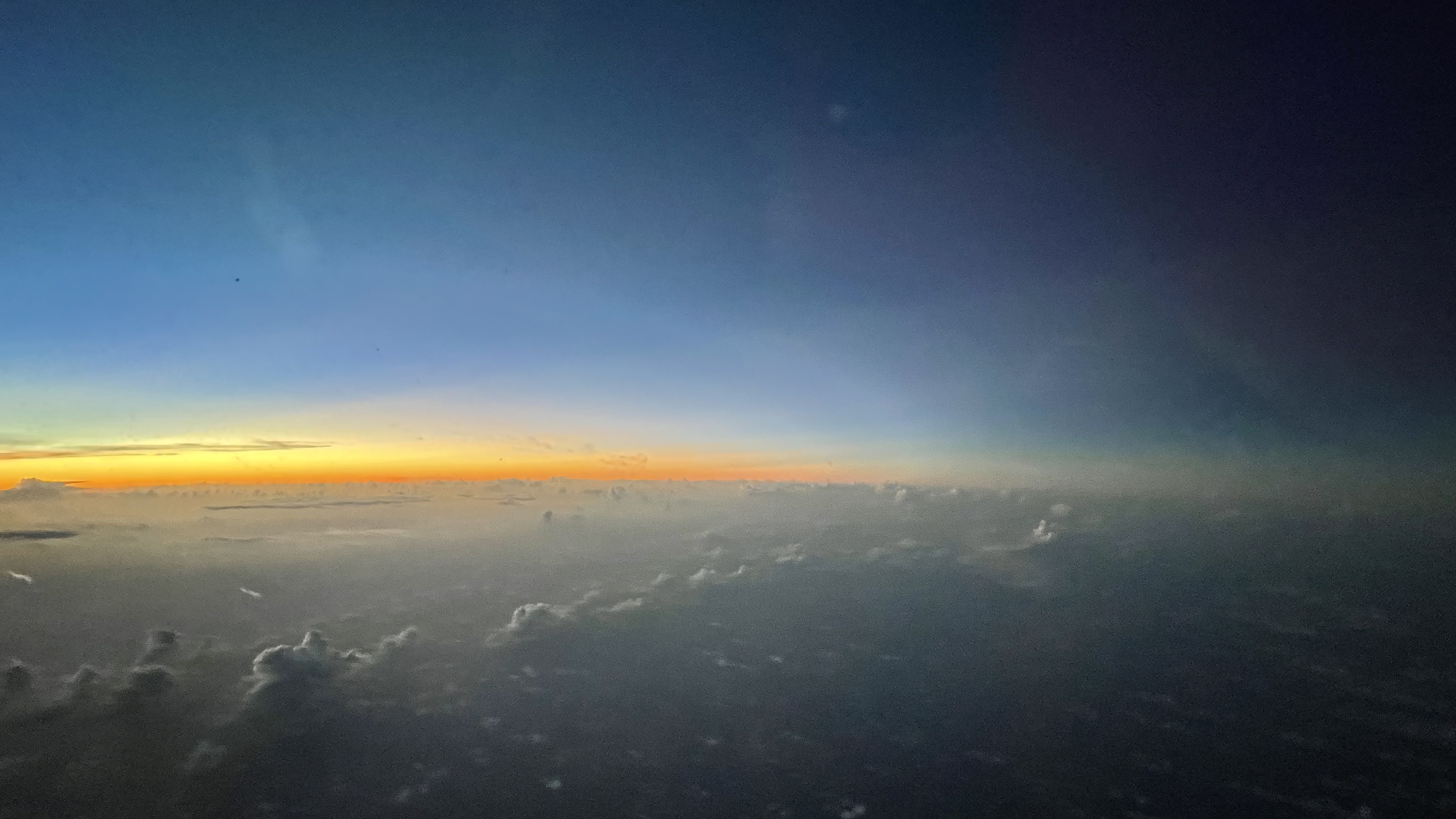
Another from a cockpit:
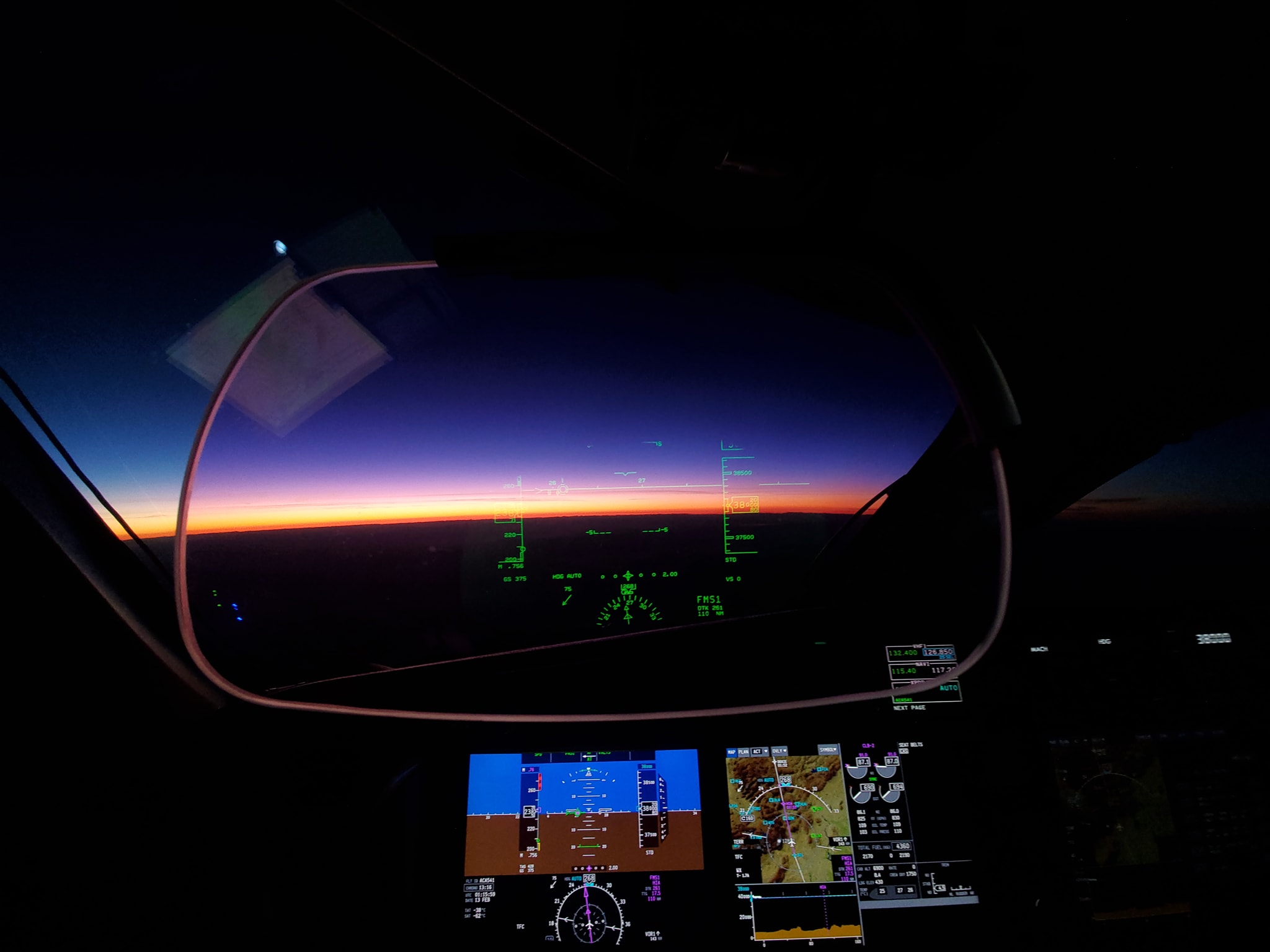
The Concorde flew higher than other planes, here is a photo of the Concorde at cruising altitude with the horizon in view:
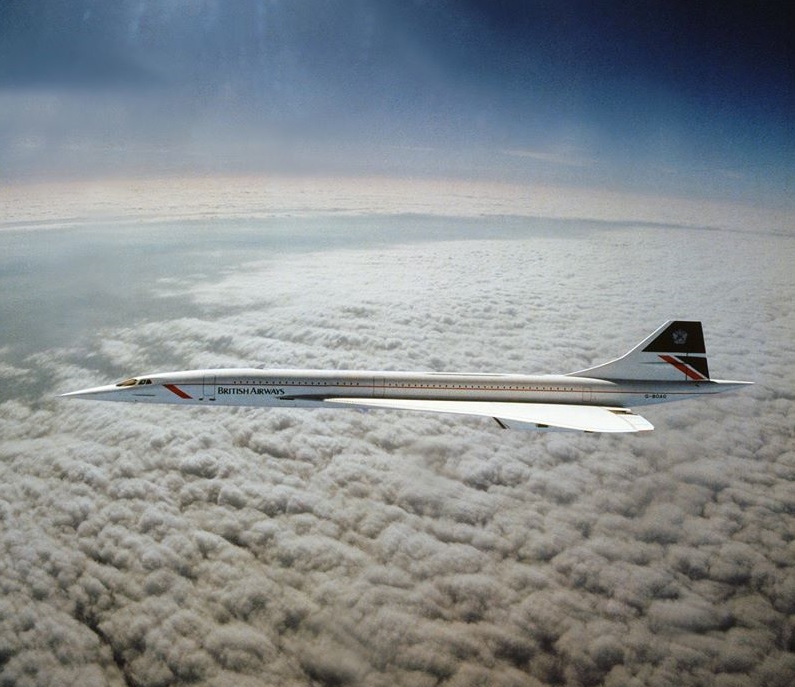
Passengers on the Concorde personally saw the curve of the horizon. DC Rainmaker took this photo:
 MCToon